


No products in the cart.


Free Shipping Australia-Wide

5 star customer service

Quality Tested Products

When it comes to the best things to buy right now, the smart money is on high-utility, durable items that truly deliver long-term value. In this economy, it's all about shifting your focus from chasing fleeting trends to calculating the cost-per-use of your purchases. That's why making strategic buys in tech, home goods, and sustainable fashion just makes sense.
Welcome to a no-nonsense guide for navigating the modern retail world. We're here to help you cut through the marketing noise and zero in on the categories offering the best bang for your buck right now. Think of this as your roadmap to making smarter, more intentional purchases.
We'll dig into the core ideas of smart shopping—things like prioritizing items you'll use constantly, really understanding what "cost-per-use" means, and knowing when a higher price tag is actually a wise investment. This isn't just a shopping list; you'll get the "why" behind every recommendation, so you can make choices that fit your life and your budget.
The current economic mood really calls for a new way of thinking about shopping. Instead of just "spending," consider every purchase an investment—whether it's in your quality of life, your home's functionality, or your own productivity. This means looking past the initial price to see the long-term value. A well-made, durable product might cost more today, but it saves you money down the line by not having to replace it over and over.
Recent data backs this up. For 2025, a whopping 78% of consumers plan to either keep their spending the same or cut back, showing a clear shift towards essentials and real value. This just goes to show how important it is to buy things that have a clear, lasting purpose. You can check out the full 2025 consumer outlook report here for more on that.
The real skill is learning to spot trends that signal lasting worth versus those that are just passing fads. The goal is to put your money toward things that genuinely make your life better for years, not just for a season.
To get ahead in today's market, it pays to explore all your options. Getting savvy about things like understanding consignment shopping and finding designer deals can open up a world of high-quality items without the high-end price tag.
Another game-changer? Setting up automatic notifications for items on your wishlist. Learning how to get price drop alerts means you'll never miss a great deal on something you actually want. It’s a simple, proactive habit that makes smart shopping easy.

Your home is more than just four walls and a roof; it's a powerful asset and one of the smartest places to put your money. When you're thinking about the best things to buy right now, focusing on durable home goods and strategic improvements is a move that can pay off for years to come. These aren't just expenses. They're real investments in your daily comfort, long-term savings, and the overall value of your property.
The secret is to zero in on items with proven longevity and real, tangible benefits. Think of it like planting a tree. You put in a little effort and money upfront, but over time, it gives you shade (comfort), fruit (savings), and adds undeniable beauty (value) to your yard. A high-efficiency appliance or new flooring works the same way—it makes your life better today while putting money back in your pocket down the road.
This mindset lines up with what we're seeing in the broader economy. With analysts predicting a slowdown in consumer spending growth, shoppers are getting smarter and prioritizing long-term value. Flexible financing is also making it easier for people to invest in big-ticket items like home upgrades and energy-efficient appliances. You can get a deeper dive into these insights on consumer spending from Morgan Stanley.
Figuring out the real worth of a home purchase goes way beyond the price tag. To make a truly smart call, you have to look at its Return on Investment (ROI), which is a mix of financial gains and simple quality-of-life upgrades.
An easy place to start is with cost savings. Sure, an Energy Star-certified washing machine might cost more initially, but it can save you hundreds of dollars on water and electricity over its lifetime. That’s a direct financial return. The same goes for new windows or better insulation, which can dramatically lower your heating and cooling bills.
Then, of course, there's the impact on your property value. Certain upgrades are famous for boosting a home's asking price.
The ultimate goal is to find that sweet spot where a purchase not only saves you money or increases your home's value but also just makes your daily life better. That’s the true definition of a worthwhile home investment.
Knowing where to save and where to splurge is the key to making your home improvement budget work for you. Not every single thing needs to be a top-of-the-line purchase. It’s all about putting your money where it will have the biggest impact.
For example, in a kitchen remodel, you might splurge on high-quality countertops that will look great and stand up to daily abuse for decades. At the same time, you could save on stylish-but-affordable cabinet hardware and light fixtures. It's about being strategic.
Here’s a quick look at how you can balance budget finds with premium investments:
| Category | High-Impact Budget Upgrade | Premium Long-Term Investment |
|---|---|---|
| Furniture | Multifunctional pieces, like an ottoman with hidden storage to save space. | A solid wood dining table or a well-constructed sofa built to last for generations. |
| Appliances | A highly-rated mid-range appliance with excellent energy efficiency. | A smart refrigerator or a professional-grade stove with advanced features and top-tier build quality. |
| Flooring | High-quality laminate or luxury vinyl that beautifully mimics the look of real wood. | Genuine hardwood flooring or durable porcelain tile that adds significant resale value. |
When you're working with a smaller footprint, smart furniture choices become even more important. For great tips on making your space feel bigger, check out these clever space-saving furniture ideas. By carefully balancing your spending, you can get a high-end look and lasting value without draining your bank account.

Tech moves at a blistering pace. It's easy to feel like the gadget you buy today will be a paperweight by next year. But finding the best things to buy right now isn't about chasing every shiny new release. It's about investing in gear that actually solves problems and brings lasting value to your life.
The trick is to stop thinking like a consumer of disposable gadgets and start acting like an investor in long-term assets. Think of it this way: you could buy a cheap plastic toolkit that breaks after one project, or you could invest in quality workshop tools. The good tools cost more upfront, but they work reliably for years, do a better job, and save you a ton of frustration down the road.
So, how do you future-proof your tech purchases? It means looking past the flashy marketing and focusing on what gives a device real staying power. It takes a bit more thought than just grabbing the newest box off the shelf, but the reward is a piece of tech that serves you well for years, not just a few months.
A great place to start is with certified refurbished electronics. These devices often pack premium performance at a serious discount because they've been professionally inspected and restored. It’s a savvy way to get high-end tech without the high-end price.
Beyond that, here are the core things to look for:
One of the biggest waves hitting tech right now is artificial intelligence. While the term gets thrown around a lot, its real value is in practical tools that genuinely make you more productive. This recent explosion of AI has created a whole new category of "must-buy" software that can automate tedious work and supercharge your workflow.
These tools aren't just for massive corporations anymore. We've reached a point where individual creators and small teams can use AI for complex tasks, making them some of the best things to buy right now for anyone looking to work smarter. This could be anything from an AI writing assistant that polishes your emails to a smart calendar app that organizes your schedule for you.
The real magic of modern tech isn't just about faster processors or brighter screens. It's about how these tools can give you back your most valuable resource: time. A well-chosen piece of software or a reliable smart home hub can become a true productivity partner.
A powerful laptop is still the heart of most work and creative setups. When you’re choosing one, aim for a balance of performance that fits your needs and a build quality that can handle years of daily use. In the same way, investing in a good monitor—or even two—can make a massive difference in your efficiency. For a full walkthrough, our dual monitor setup guide has practical advice on creating a workspace that works for you.
By making these kinds of smart, informed choices, your tech purchases become long-term assets, not just fleeting expenses.
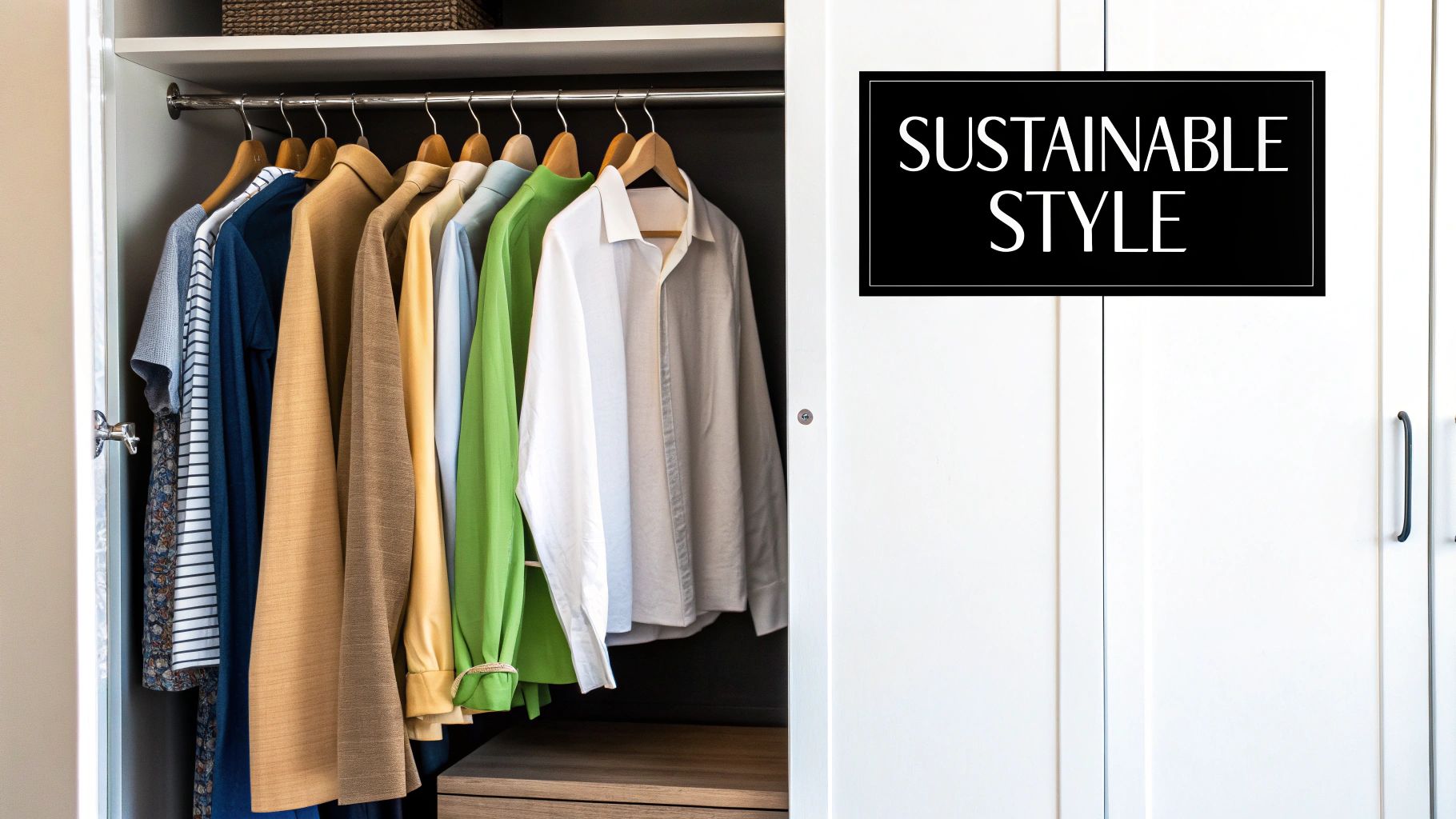
Making conscious choices in what you wear and use every day isn't just about feeling good—it's one of the smartest money moves you can make. Investing in sustainable products offers a powerful long-term return, proving that what's good for the planet is also fantastic for your wallet.
It all comes down to shifting away from a disposable mindset. Instead of getting caught in the fast-fashion trap, where clothes are practically designed to fall apart after one season, you focus on things built to last. This cuts down on waste and, more importantly, saves you a ton of money over time.
This approach couldn't be more relevant right now. People are trying to square their values with their budgets. While studies show that about six in ten consumers are willing to pay more for sustainable goods, younger generations are also reining in their spending. This has created a real demand for eco-conscious options that don't force you to choose between your bank account and your beliefs. You can dive deeper into these evolving consumer spending trends to see how brands are starting to respond.
One of the best ways to practice sustainable style is by creating a capsule wardrobe. Forget the idea of a boring, restrictive closet. This is about curating a lean, mean collection of high-quality, versatile pieces you genuinely love—items that can be mixed and matched into dozens of different outfits.
Think of it like stocking a toolbox. You wouldn't fill it with a bunch of cheap, single-use gadgets. You’d invest in a few well-made, reliable tools that can handle almost any job. A capsule wardrobe applies that exact same logic to your closet.
The financial payoff is huge. When you own fewer, better things, you stop the constant cycle of shopping. Your cost-per-wear drops dramatically, and you save a surprising amount of cash that would have otherwise gone to impulse buys and clothes that don't last.
A well-planned capsule wardrobe frees you from the exhausting cycle of chasing trends. It simplifies your mornings, gets rid of decision fatigue, and turns your closet into a trusted collection of favorites instead of a graveyard of disposable fashion.
The same logic of sustainability and long-term savings works wonders for personal care, too. A growing number of brands are offering clever refillable models and subscriptions that slash both plastic waste and your monthly expenses.
It’s a simple but brilliant idea. Instead of buying a new plastic bottle of shampoo or deodorant every time you run out, you buy one durable, often beautifully designed, container. From then on, you just purchase low-waste refills. It’s a clear win-win, shrinking your environmental footprint while saving you money on all that unnecessary packaging.
Many of these systems even offer subscriptions that deliver refills right when you need them, so you're never caught off guard. Over a year, the savings from buying just the product—not a new bottle every time—really add up. It's a small change to your routine that makes a big economic and ecological difference.
As "sustainability" becomes a buzzword, so does "greenwashing"—when companies fudge the truth about their environmental practices. To make sure your money is going to brands that are actually doing the work, you need to know what to look for.
By making these kinds of smart, intentional choices, you’ll discover that sustainable style is one of the best things to buy right now. It's a purchase that aligns your values with your financial goals—something you can feel great about for years to come.
Even when we're all watching our wallets a little more closely, there's one area people refuse to cut back on: travel and experiences. There’s a good reason for this. We instinctively know that memories usually bring us more lasting joy than stuff ever will. The trick isn't to stop traveling; it's to start thinking differently—trading "cheap travel" for "high-value travel."
This mindset shift is all about smart planning to create those unforgettable moments without draining your bank account. You stop hunting for just the lowest price tag and start looking for the biggest return on your investment, measured in joy, enrichment, and memories that stick with you. It’s about making every dollar count toward a richer experience.
One of the smartest moves you can make is booking trips during the "shoulder seasons." These are those perfect little windows right before or after the peak tourist crush. Think about visiting Europe in May or September instead of the chaos of July. By skipping the peak, you dodge the sky-high prices for flights and hotels and get to enjoy destinations without the overwhelming crowds.
This simple timing adjustment has a huge ripple effect. With fewer tourists around, you get a much more authentic vibe, snagging reservations at top restaurants is a breeze, and you spend less time shuffling through long lines. It’s a small change that massively upgrades the quality of your entire trip.
The goal is to get a five-star experience on a three-star budget. Shoulder season travel makes this possible by giving you access to the same amazing destinations at a fraction of the cost and with a fraction of the hassle.
Where you go has a massive impact on your budget. Sure, some famous cities will always be expensive, but there are countless other places offering incredible culture, food, and scenery for a lot less. Your money will stretch so much further in destinations across Southeast Asia, Eastern Europe, or parts of South America.
This doesn't mean you're sacrificing quality—far from it. You can often afford nicer hotels, eat at better restaurants, and pack in more activities than you ever could in a more expensive city. It just takes being a little open-minded. You can even find unique eco-friendly gifts and experiences that support local communities and sustainable tourism.
Nothing ruins a trip faster (or costs more unexpectedly) than your gear falling apart, especially your luggage. A cheap suitcase that gives up mid-trip forces you into a stressful, expensive, last-minute replacement. That's why investing in durable, high-quality travel gear from the start is one of the smartest long-term moves you can make.
By focusing on these high-value strategies, you can transform your travel budget into a tool for creating priceless memories. It’s proof that the best things to buy right now aren’t always things—they’re the experiences that make our lives richer for years to come.
Figuring out what to buy is just the first step. If you really want to unlock some serious savings, the secret is knowing when to buy. Retail runs on a predictable calendar, and once you get a feel for its rhythm, it’s like having a cheat code for your bank account.
Think about it like buying fruit at the grocery store. You wouldn't expect to find cheap, delicious strawberries in the middle of December, right? The same logic applies to just about everything else, from 4K TVs to patio sets. Every product category has a "peak season" when prices are high and an "off-season" when they drop. Nailing that timing is the single best way to avoid paying full price.
Sure, everyone knows about Black Friday, but the truly amazing deals often pop up when stores are desperate to clear out old inventory for new stock. Take TVs, for example. New models are typically announced at industry events in January and start showing up in stores in the spring. That makes late winter and early spring the absolute best time to grab last year’s top-rated models for a fraction of the original cost.
It's the same story with furniture. Most stores get their new collections in February and August. This means January and July are prime hunting grounds for massive discounts on floor models and last season's styles as they make room.
Here's a quick cheat sheet for some of the best times to buy:
You don't have to keep track of all this in a spreadsheet. We have some incredibly powerful digital tools that can do the heavy lifting for you, making sure you never miss a deal. These are must-haves for anyone who's serious about finding the best things to buy right now at the lowest price.
Browser extensions are an easy place to start. Many will automatically find and apply coupon codes when you check out, saving you money without you having to do a thing. Price-tracking tools go a step further by letting you set alerts for specific products. You’ll get an email the second that item on your wishlist hits your target price.
The most strategic shoppers are proactive, not reactive. They decide what they want to buy, set a target price, and then let technology tell them when the perfect moment to purchase has arrived. This approach removes impulse from the equation and puts you in complete control.
This timeline gives you a great visual for how this works with travel—timing your trip around peak, shoulder, and off-seasons can make a huge difference.
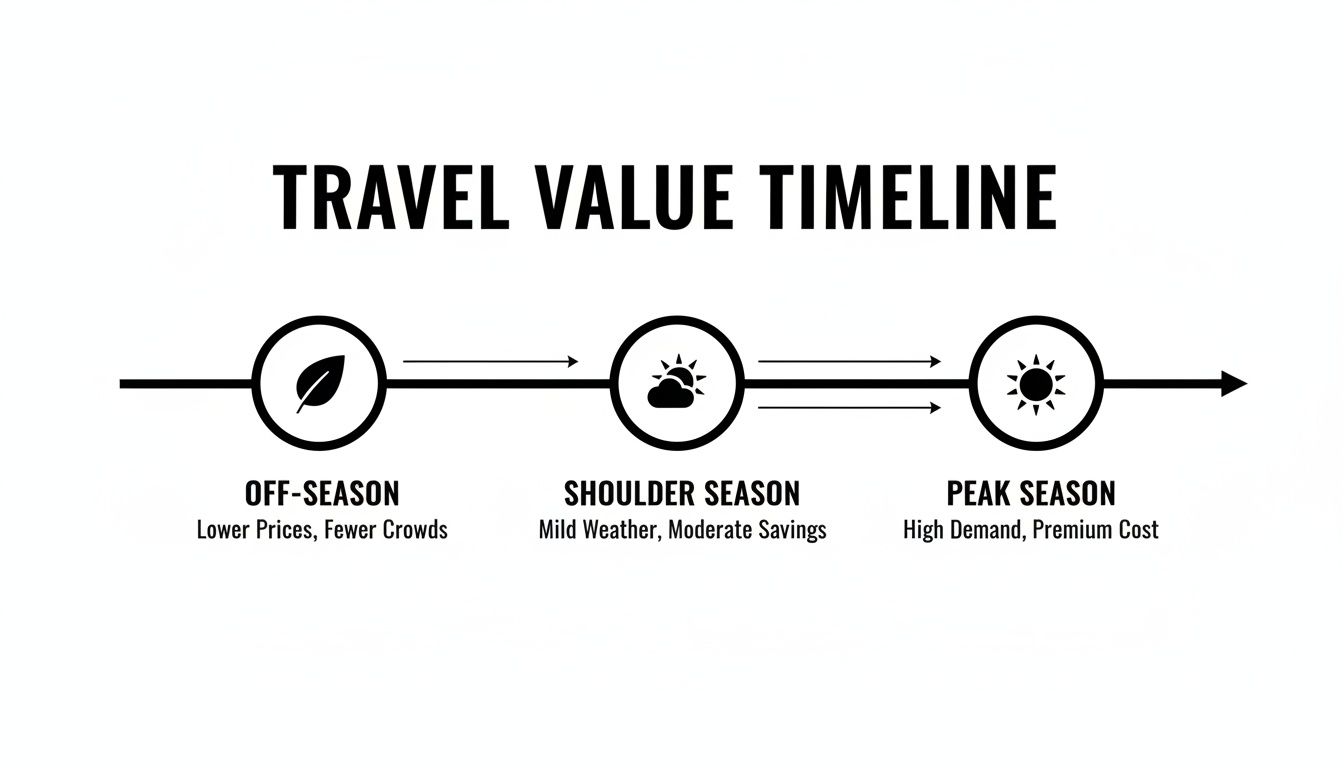
As you can see, simply shifting your travel from peak season to a shoulder or off-season month can lead to massive savings and a much less crowded vacation.
Of course, the most straightforward way to stay on top of all this is to use a curated platform. Sites like FindTopTrends do the work for you, constantly scanning the market and pulling together the best deals on trending products into one easy-to-use spot. It saves you hours of research.
Shopping smart doesn't have to be complicated. It really just comes down to a few key ideas that can help you make better choices every single time. Let's tackle some of the most common questions people have when trying to find the best things to buy right now—without getting suckered by hype or waking up with buyer's remorse.
The big secret? It’s all about shifting your mindset from "what do I want right now?" to "what will I be glad I bought a year from now?" You just have to ask the right questions before you open your wallet.
Forget the price tag for a second and focus on what really matters: durability, cost-per-use, and whether or not it can be fixed. The best deals are on things that last. Dive into reviews from people who have owned the item for a while and look for brands that offer solid warranties—that tells you they believe in their own product.
Think about it: a pricey winter coat you wear for ten years is a much better investment than a cheap one you have to replace every season. And for electronics, don't ignore the energy efficiency rating. A lower electricity bill adds up to real savings over the life of the product.
The true measure of value isn't what you pay today. It's how little you have to worry about replacing it tomorrow. A quality purchase pays you back with pure reliability.
Honestly, for most of us, buying last year's model is the smartest play. Brand-new gadgets usually come with a hefty "newness tax" for features that are often just small, incremental upgrades. You can typically get over 90% of the performance from a flagship phone or laptop that's a year old, but for a whole lot less money.
Here’s a good strategy: wait for the reviews of the latest model to come out. If the new features aren't a massive deal for how you'll use it, the previous generation's price is almost guaranteed to drop. That's your moment to swoop in and get proven, powerful tech at a fantastic discount.
First, figure out what the item actually costs and set that as your savings goal. The easiest way to hit it is to open a separate high-yield savings account just for that purchase and set up automatic transfers. Even a small amount moved over each week adds up fast, and the "out of sight, out of mind" approach really works.
At the same time, take a quick look at your spending to see where you can pull back for a little while. For those really big-ticket items, you could look into interest-free financing like "Buy Now, Pay Later" (BNPL), but be careful. Only use it if you have a bulletproof plan to pay it all off before the interest charges hit. This way, you can land that big purchase without throwing your finances off track.
Ready to find products that tick all these boxes? For a handpicked selection of top-rated items and the latest deals in every category, visit FindTopTrends. We've already done the homework for you. Explore our trending collections at https://findtoptrends.com.




